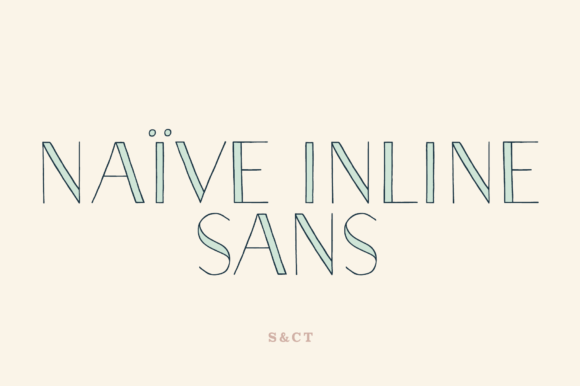
Bring Whimsy and Warmth to Your Designs with This Layered Font
There are moments in a design project when you need typography that does more than just sit on a page. You need a font that feels alive, one that carries a distinct personality without sacrificing clarity. This is precisely where a typeface like Naive Inline Sans finds its purpose. It’s not just another sans serif; it’s a carefully crafted tool designed to inject a human, hand-drawn quality into your work, making it perfect for projects that aim to connect on a more personal and approachable level.
A Handwritten Feel with Professional Polish
At its core, Naive Inline Sans is a layered sans serif handwritten font, a combination that sounds complex but results in effortless charm. Designed in Paris by Fanny Coulez and Julien Saurin, its goal was clear: to create a typeface with finely irregular lines that evoke a whimsical feeling. The subtle imperfections are intentional, mimicking the natural rhythm of hand lettering. This gives it an authenticity that rigid, geometric fonts often lack. Despite its playful character, it was built with practicality in mind. The three available weights ensure good readability across various sizes, whether you’re setting a headline or a short block of body text on a digital screen or printed material.
What truly sets this creative font apart is its layered design system. Imagine being able to customize the interior of each letterform. With five different patterns and three shadow options, you can superimpose layers in compatible software like Photoshop to create unique effects. Place a weight layer on top and a pattern layer below, then assign a distinct color to each. This method allows you to produce eye-catching typographic elements that are perfectly tailored to a specific color palette or brand identity, offering a level of customization rarely found in standard font families.
Practical Applications for Brands and Creators
The true value of a typeface is measured by how well it serves real-world projects. For designers and entrepreneurs, choosing the right font is a strategic decision that influences perception and engagement. A font like Naive Inline Sans can be a versatile asset in your design toolkit, lending its distinctive style to a wide range of applications.
Consider its use in branding and logo design. A logo needs to be memorable and reflective of a brand's voice. If your brand personality is friendly, artisanal, creative, or youthful, this handwritten font can form the foundation of a compelling visual identity. Its layered capability allows you to create logos with depth and texture, ensuring they stand out on business cards, websites, and packaging.
For packaging design, especially for boutique food products, cosmetics, or handmade goods, the whimsical and human feel of this typeface communicates care and authenticity. It can make a product on a crowded shelf feel more personal and trustworthy. Similarly, in social media graphics, where capturing attention in a split second is crucial, the unique texture and customizable layers can help your posts stop the scroll. It’s equally effective for creating engaging website headers, blog post titles, and marketing assets like email banners or digital ads that need a touch of personality.
Print materials benefit greatly from its character. Think about invitations for events, poster designs for local markets or creative workshops, or editorial layouts in magazines and lookbooks. The font adds a layer of visual interest that enhances the overall narrative of the piece. Even for merchandise like t-shirts, tote bags, or mugs, a well-designed typographic phrase set in this font can become a desirable design element.
Making Smart Typographic Choices
Integrating a new font into your workflow is about more than just liking how it looks. It’s about ensuring it aligns with your project's goals and functions effectively within your design system. Here are some practical considerations when working with a typeface like this one.
Match the Font to the Message. First, define the emotion or tone you need to convey. Is your project aiming for elegance, playfulness, seriousness, or innovation? A handwritten, inline style like Naive Inline Sans is ideal for conveying warmth, creativity, and approachability. It might be less suitable for highly formal corporate reports but perfect for a children’s brand, a coffee shop, or a freelance creative’s portfolio.
Prioritize Readability. While the font is designed for readability across its three weights, context is everything. Use the bolder weights for headlines and subheadings where impact is needed. For smaller text, such as captions or brief descriptions, test the lighter weights carefully to ensure legibility, especially on low-resolution screens or textured print backgrounds. Always conduct a final review at the intended size and medium.
Explore Font Pairing. A display or headline font like this often works best when paired with a more neutral, complementary typeface for longer body text. Consider pairing it with a clean sans serif or a simple serif font. This creates a visual hierarchy that guides the reader’s eye and ensures the whimsical nature of the headline font doesn’t overwhelm the content. The goal is contrast and balance, not competition between typefaces.
Review All Included Styles. Before you begin, take time to explore everything the font package offers. Understanding the three weights, the five patterns, and the three shadows will help you plan your designs more effectively. This exploration is part of the creative process and can spark new ideas for how to use the layers to achieve a specific look, whether it’s a subtle texture or a bold, multi-colored effect.
Understand the Licensing. For any commercial project—whether it’s a client’s logo, a product you sell, or a marketing campaign—ensure you have the correct commercial font license. This is a standard and crucial step in professional design work. It protects both you and the font creators, allowing you to use the asset legally and ethically in your business ventures.
Ultimately, the fonts you choose are silent ambassadors for your message. They build visual consistency, aid in brand recognition, and significantly impact audience engagement. A thoughtfully selected premium font