Embrace the Grit: Why Your Design Needs a Distressed Typeface
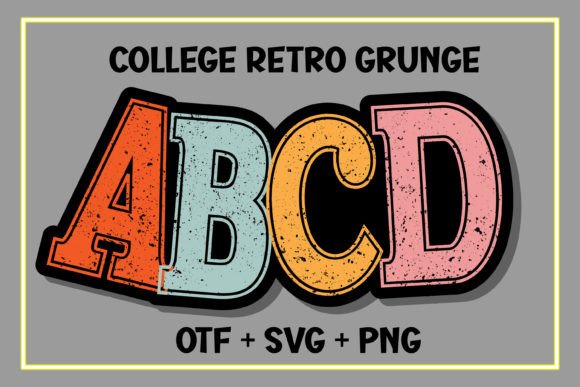
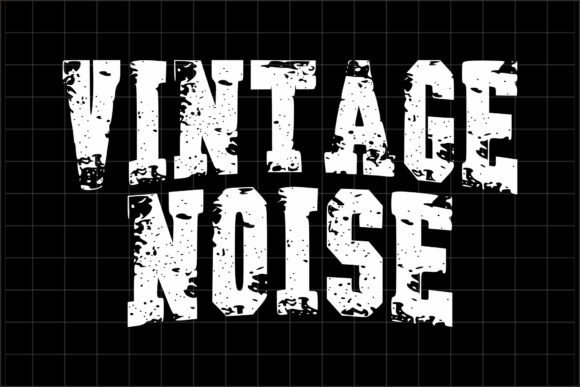
There is a certain magic in imperfection. In a digital landscape often saturated with pristine vectors and flawless sans-serifs, the allure of something that feels tangible, worn, and historically significant can stop a viewer in their tracks. If you have ever found yourself scrolling through a feed of overly polished graphics, only to pause completely when you see a vintage gig poster or a weathered industrial label, you have experienced the power of texture. This is the specific energy that a typeface like Vintage Noise brings to the table. It is not just a collection of letters; it is a declaration of style. Designed to mimic the rough edges of ink on paper and the wear of time, this bold, distressed display font captures the essence of industrial typography and urban aesthetics, offering a tactile quality that digital perfection simply cannot replicate.
The Power of Imperfection in Modern Branding
For decades, the trend in corporate branding was to sanitize everything. Logos were flattened, serifs were removed, and colors were brightened to create a "safe" and "modern" look. However, the pendulum has swung back. Today, audiences crave authenticity. They want to support brands that feel real, human, and grounded. This is where the Vintage Noise typeface becomes an invaluable asset for small business owners and entrepreneurs. When you use a font that features a rough, grunge effect, you are subconsciously telling your audience that your brand has depth. It suggests durability, craftsmanship, and a rebellious spirit that refuses to blend in with the crowd.
Consider the context of a craft brewery, a motorcycle repair shop, or a streetwear label. A clean, rounded sans-serif font might look friendly, but it lacks the "weight" required to convey authority in these niches. A distressed display font, however, carries an inherent weight. It feels heavy and substantial. By incorporating this type of typography into your brand identity, you immediately set a specific mood. You are not selling a mass-produced product; you are selling an experience, a lifestyle, and a piece of art that has stood the test of time.
Real-World Applications: From Screen to Print
One of the most common challenges designers face is finding a font that translates well across different mediums. Some typefaces look stunning on a high-resolution monitor but turn into an illegible mess when printed on cardboard or fabric. Vintage Noise is designed specifically to bridge this gap. Because its character is defined by texture and distress, it is naturally suited for print applications where ink absorption and paper texture can sometimes degrade standard fonts.
Here is how you can practically apply this typeface across various design assets:
- Poster Design and Editorial Layouts: If you are working on a magazine cover or a promotional poster for a rock band, you need headlines that scream for attention. The heavy, industrial nature of this font ensures that your title is the first thing the reader sees. It pairs exceptionally well with halftone photography, creating a cohesive retro look.
- Packaging and Labels: In the world of packaging design, shelf appeal is everything. A product label using Vintage Noise communicates authenticity and quality. It works beautifully on kraft paper backgrounds, simulating the look of a vintage stamp or screen print.
- Merchandise and Streetwear: T-shirts, hoodies, and tote bags are canvases for expression. A bold, distressed typeface is the backbone of streetwear design. It provides the masculine, edgy character required for modern fashion branding without needing complex illustrations to fill the space.
- Social Media Graphics: In the fast-paced world of Instagram and TikTok, you have milliseconds to capture attention. A bold headline set in a textured font cuts through the noise (pun intended). It adds a layer of professionalism and stylistic intent to your digital marketing assets.
Mastering the Pairing: Typography as a Team Sport
While Vintage Noise is a powerhouse on its own, typography is rarely a solo endeavor. A common mistake in design is using a display font for everything—including body copy. This leads to visual fatigue and poor readability. The key to using a heavy, textured font effectively is understanding contrast and hierarchy.
Because this typeface is bold and intricate, it demands a partner that is quiet and legible. You would not pair this with a complex script font or an ornate serif, as that would create a visual traffic jam. Instead, look for a clean sans-serif or a simple serif font for your body text. The simplicity of the secondary font will allow the Vintage Noise headlines to shine without overwhelming the viewer.
Think of your typography like a band. The display font is the lead singer—charismatic, loud, and the center of attention. Your body font is the rhythm section—steady, reliable, and keeping everything together. By balancing these elements, you create a layout that is not only visually appealing but also highly functional. This balance is crucial for maintaining a professional presentation in everything from web design to physical invitations.
Readability and Character: Striking the Balance
There is a fine line between "stylistic" and "unreadable." When dealing with grunge fonts or distressed typefaces, there is always a risk that the texture will eat away at the legibility of the letterforms. This is particularly true at smaller sizes. However, a well-crafted font like Vintage Noise is engineered to maintain strong readability despite its rough aesthetic. The "noise" effect adds character without destroying the structural integrity of the letters.
However, context is king. While this font is perfect for headlines, logos, and large display text, it is generally advisable to avoid using distressed fonts for long paragraphs or fine print legal disclaimers. For those tasks, stick to your standard web-safe fonts. Use the vintage typeface to draw the eye in, and use your standard typeface to deliver the message. This approach ensures that your designs maintain their impact while remaining accessible to all viewers.
Commercial Licensing and Project Goals
Before integrating any premium font into your workflow, it is vital to understand the licensing. If you are a freelance designer creating a logo for a client, or a business owner creating merchandise for sale, you need a commercial license. Using a free font for personal practice is one thing, but using it on a product that generates revenue without the proper license can lead to legal headaches down the road.
When you invest in a high-quality typeface, you are not just paying for the file; you are paying for the hours of design work that went into crafting every glyph and texture. Always review the license agreement to ensure it covers your intended use, whether that is digital products, print-on-demand, or large-scale manufacturing. This due diligence is a hallmark of a professional creative process.
Final Thoughts on Visual Consistency
Ultimately, the goal of any branding effort is consistency. You want your audience to recognize your style instantly, whether they are looking at your website, a flyer, or a social media post. By adopting a typeface with a distinct personality, like Vintage Noise, you anchor your visual identity. It provides a recurring visual motif that ties disparate projects together.
If your goal is to create designs that feel bold, rebellious, and undeniably authentic, moving away from the standard digital toolkit is essential. Embrace the grit. Embrace the texture. Let your typography tell a story of history and resilience. Whether you are designing for a heavy metal festival, a retro-themed diner, or a rugged outdoor brand, this distressed display font offers the visual punch needed to make a lasting impression. It is a reminder that in a world of high-gloss digital noise, sometimes the best way to stand out is to look like you have been there all along.