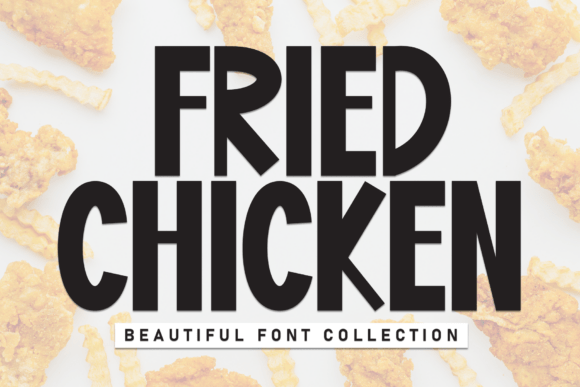
Fried Chicken Font: A Playful Handwritten Typeface for Creative Projects
There's something undeniably magnetic about a design that doesn't take itself too seriously yet still commands attention. You know the type—it catches your eye in a crowded Instagram feed, makes you smile when you open a wedding invitation, or stops you mid-scroll on a product label. That's exactly the kind of energy the Fried Chicken typeface brings to the table. This handwritten display font walks a beautiful line between elegance and playfulness, offering designers and creative professionals a tool that feels both polished and delightfully human.
What sets this premium font apart from the hundreds of handwritten options flooding design marketplaces? It comes down to personality. Every letter carries a sense of warmth and spontaneity, as though someone with genuinely beautiful penmanship sat down and wrote each character with intention and joy. The strokes flow with a natural rhythm—slightly varied in weight, never mechanically perfect, and full of the kind of organic charm that digital fonts often struggle to replicate. It's the difference between a mass-produced greeting card and one that feels like it was made just for you.
A Typeface That Bridges Whimsy and Sophistication
Many handwritten fonts lean too far in one direction. Some feel childish and cartoonish, limiting their usefulness to kid-focused projects. Others aim for elegance but end up feeling stiff and impersonal. Fried Chicken occupies a sweet spot that makes it remarkably versatile across different creative contexts.
The letterforms carry a modern script quality with enough structure to remain legible at various sizes. There's a subtle bounce to the baseline that injects energy without sacrificing readability. The uppercase letters bring a confident flair, while the lowercase characters flow with a casual grace that feels approachable and genuine. This balance makes it suitable for projects that need to feel inviting without looking amateurish—think boutique branding, artisan product packaging, or lifestyle blog headers.
For designers who work across multiple industries, this kind of versatility is invaluable. You might use it for a bakery's logo one week and a yoga studio's social media graphics the next. The font adapts to different brand voices because its personality is flexible enough to complement various aesthetics while still maintaining its distinctive character.
Where This Creative Font Truly Shines
Understanding where a display font works best helps you make smarter design decisions. Fried Chicken excels in applications where you want to create an emotional connection with your audience. Here are some of the most effective ways to put it to work:
- Wedding invitations and event stationery — The handwritten quality adds a personal, romantic touch that formal serif fonts simply can't match. It pairs beautifully with clean sans serif fonts for a balanced invitation layout.
- Logo design for small businesses — Cafés, florists, bakeries, boutique shops, and creative studios can use this typeface to establish a brand identity that feels warm and authentic from the first impression.
- Packaging design — Artisan and handmade products benefit enormously from typography that signals craftsmanship. A handwritten font on a jam jar label or candle box immediately communicates care and quality.
- Social media graphics — Instagram stories, Pinterest pins, and Facebook posts featuring handwritten typography tend to feel more personal and less corporate, which drives higher engagement rates.
- Blog headers and editorial layouts — Lifestyle, food, travel, and fashion bloggers can use this font to create eye-catching headlines that set their content apart from generic templates.
- Greeting cards and merchandise — From mugs to tote bags to printed cards, products featuring playful handwritten lettering have proven commercial appeal in both online and brick-and-mortar retail.
- Digital products and marketing assets — Email headers, lead magnets, course materials, and promotional flyers all benefit from typography that feels approachable and trustworthy.
Pairing Typography for Maximum Impact
A font rarely works in isolation. The most effective designs use thoughtful font pairing to create visual hierarchy and guide the reader's eye. Fried Chicken works exceptionally well as a headline or accent font, but it needs the right partner to handle body text and supporting information.
Since this is a decorative handwritten typeface, pairing it with a clean sans serif font creates a natural contrast that keeps designs feeling balanced. Think of fonts like Montserrat, Open Sans, or Lato for body copy—they provide the legibility and neutrality that lets the display font do its job without competition. For projects with a slightly more traditional feel, a simple serif font like Lora or Merriweather can complement the handwritten style beautifully.
The key principle to remember is contrast without conflict. You want your font pairing to feel intentional, not accidental. If both fonts compete for attention, the design becomes visually noisy and hard to read. Use the handwritten font sparingly for headlines, pull quotes, or accent phrases, and let a simpler typeface handle the heavier lifting of paragraphs and detailed information.
Readability Considerations Worth Noting
Every creative font comes with trade-offs, and being honest about them helps you make better design choices. Handwritten display fonts like Fried Chicken are designed for impact at larger sizes. They work beautifully for headlines, logos, short phrases, and callout text. However, using them for extended body copy or small-sized text on screens can hurt readability and frustrate your audience.
A good rule of thumb: if your text needs to convey detailed information quickly—a product description, a blog post paragraph, a set of instructions—switch to a more legible typeface. Reserve the handwritten font for moments where emotional impact matters more than rapid information processing. This approach respects your audience's reading experience while still letting you leverage the font's unique charm.
Also consider the context of your medium. On a printed wedding invitation held in someone's hands, this font reads beautifully even at moderate sizes because the viewer is close to the material and taking their time. On a mobile screen viewed at arm's length while scrolling quickly, the same text might feel harder to parse. Always test your typography choices in the actual environment where your audience will encounter them.
Practical Tips for Getting the Most from Your Font
Before committing any premium font to a project, take a few practical steps that save headaches later. First, explore the full character set and any alternate styles included with the typeface. Many handwritten fonts come with stylistic alternates, ligatures, or swashes that add variety and prevent repetitive letter patterns from becoming visually monotonous. These extras can elevate a design from good to genuinely distinctive.
Second, check the licensing terms carefully. If you're using the font for client work, merchandise, or digital products you plan to sell, you need to confirm that your license covers commercial use. This is one of those details that seems tedious until it becomes a legal issue. Most reputable font marketplaces make licensing straightforward, but it's worth reading the fine print before you build an entire brand identity around a typeface you might not have full rights to use commercially.
Third, build a small reference library of projects where the font works well. Save screenshots of designs you admire that use similar typography. When you're starting a new project, reviewing these references helps you make faster, more confident decisions about how to apply the font effectively rather than experimenting blindly.
Building a Brand Identity with Intentional Typography
Typography is one of the most powerful yet underestimated tools in brand identity design. The fonts you choose communicate volumes about your brand's personality before anyone reads a single word. A handwritten display font like Fried Chicken tells your audience that your brand values warmth, creativity, and authenticity. It signals that there are real people behind the business who care about craft and connection.
For small business owners and entrepreneurs building their first brand identity, choosing the right font combination can feel overwhelming. Start by defining your brand's personality in three to five adjectives. If words like playful, warm, approachable, creative, or joyful appear on your list, a handwritten typeface deserves serious consideration. Then identify a complementary body font that aligns with your secondary personality traits—perhaps clean, professional, or modern—and you have the foundation of a cohesive visual system.
Consistency is where brand recognition lives. Once you've selected your typography, use it the same way across every touchpoint—your website, social media, packaging, printed materials, and email communications. When a returning customer sees your font choices, they should immediately recognize your brand without even reading your name. That kind of instant recognition is the hallmark of effective visual branding, and it starts with choosing fonts that genuinely represent who you are.
The beauty of working with a well-crafted typeface is that it does much of the heavy lifting for you. Instead of relying on complex design elements or expensive photography to establish mood, the right font carries emotional weight on its own. Fried Chicken brings that joyful, handcrafted energy to every project it touches—whether you're designing a single social media post or building an entire brand from the ground up.