Why Miguel Is the Handwritten Font Your Creative Projects Are Missing
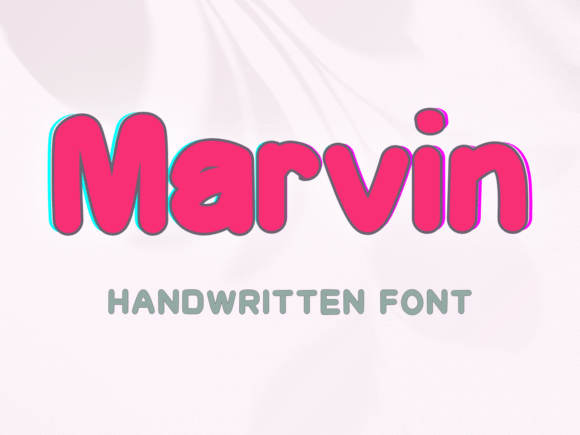
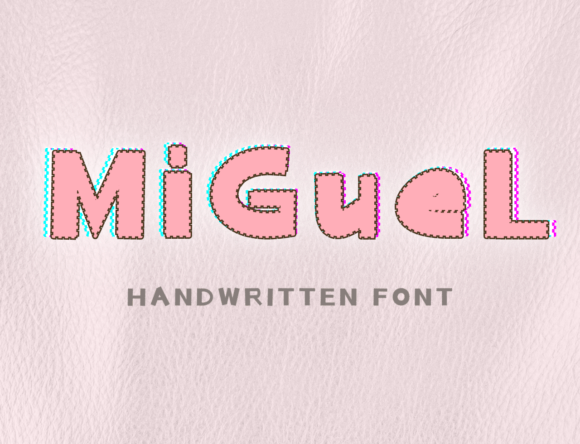
There's a particular warmth that comes with something made by hand—a slight imperfection in the lines, a natural flow that feels personal and inviting. In a digital landscape often dominated by sharp, geometric typefaces, finding a font that captures that human touch can transform a project from sterile to soulful. Miguel is a handwritten font designed to do exactly that, offering a friendly and lovely style that feels like a genuine conversation rather than a formal announcement.
This typeface isn't just about looking pretty; it's about communicating a specific feeling. Its letterforms are crafted with a soft, rounded quality and a gentle baseline movement that mimics authentic handwriting. Unlike some script fonts that can feel overly formal or difficult to read, Miguel maintains a casual, approachable character. It’s the kind of typeface that makes a viewer feel immediately at ease, whether they’re reading a blog post, looking at a product label, or scrolling through social media.
Where a Friendly Touch Makes All the Difference
Practical application is where Miguel truly shines. Think about the projects where personality is paramount. For a small business owner creating packaging for homemade goods—like artisanal jams, scented candles, or hand-knitted scarves—Miguel can instantly convey the care and individuality behind the product. It tells a story of craftsmanship before the customer even opens the box.
For content creators and bloggers, this handwritten font is a powerful tool for building a recognizable brand identity. Using Miguel for your blog headers, featured image titles, and social media graphics creates a consistent, friendly visual language. Your audience starts to associate that warm, personal typography with your voice, strengthening brand recognition without a single word being spoken. It’s particularly effective for lifestyle, parenting, food, and wellness blogs where authenticity is key.
- Brand Identity & Logo Design: For businesses aiming for approachability—think local cafes, boutique studios, or freelance consultants—Miguel can form the core of a logo or be used alongside a cleaner serif or sans serif font for a balanced look.
- Marketing & Social Media: Create engaging Instagram Stories, Pinterest pins, and Facebook ads that stop the scroll. Its display font quality makes headlines pop with personality.
- Print Materials: From business cards to thank-you notes and greeting cards, Miguel adds a personal signature that digital-only designs often lack.
- Digital Products & Invitations: Design beautiful e-books, workbooks, or digital invitations that feel special and curated.
Balancing Personality with Professionalism
A common concern with handwritten fonts is readability, especially in longer text. Miguel is designed to be legible at smaller sizes, making it versatile for more than just headlines. You can confidently use it for short paragraphs, call-to-action buttons, or pull quotes without sacrificing clarity. However, for extensive body text, pairing it with a neutral, highly readable typeface is a wise strategy. A classic sans serif font like Open Sans or a clean serif like Lora can provide the necessary structure, allowing Miguel to handle the emotional, attention-grabbing elements.
This principle of font pairing is crucial for visual consistency and professional presentation. The goal is to create a hierarchy where different typefaces have distinct roles. Miguel might be your headline and accent font, while a more subdued font handles the bulk of the information. This not only improves readability but also guides the viewer’s eye through your design in a logical way, enhancing audience engagement.
Practical Tips for Integrating Miguel into Your Workflow
Before you dive in, consider a few practical steps to get the most out of this creative font. First, explore the full font family. Does it include multiple weights or styles, like a bold or italic version? Having these options increases its flexibility across different design assets. Next, always test your pairings in context. Mock up a social media post or a sample webpage layout to see how the fonts interact visually.
Also, be mindful of licensing. If you’re using Miguel for a client project, merchandise for sale, or a commercial website, ensure you have the appropriate commercial font license. This is a standard part of modern typography usage and protects both you and the font designer.
- Start with a Specific Project: Don’t just download it. Apply it immediately to a real DIY project—a planner header, a label for your pantry, or a draft for a new logo concept.
- Experiment with Color and Size: A handwritten font like Miguel can look dramatically different in a soft pastel versus a bold, dark hue. Play with scale to see how it functions as a large display font versus a smaller accent.
- Check the Character Set: Verify it includes the symbols, numbers, and accented characters you need for your language or specific design needs.
In the end, choosing a typeface like Miguel is about matching typography to your project's core goals. If you’re aiming to foster connection, convey warmth, and add a touch of handmade charm, it’s an excellent addition to your toolkit. It brings a human element to digital designs and a polished consistency to handmade projects. So go ahead, add it to your fonts library and see how it brings your creative vision to life, one friendly letter at a time.