Why the Seth Font Feels Like a Friendly Handshake
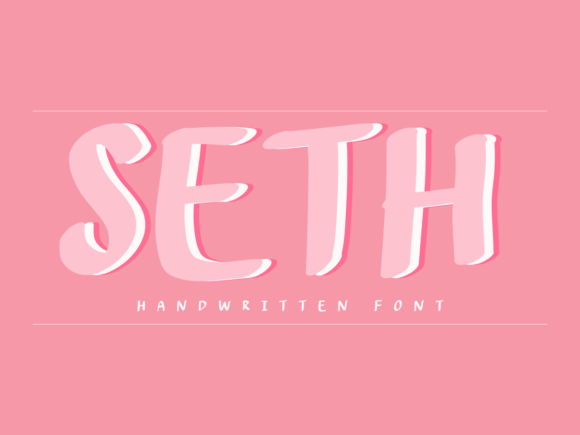
You know that feeling when you’re designing something—maybe a wedding invite or a new product label—and the typeface you’ve been using just feels… sterile? It gets the job done, sure, but it lacks the warmth of a handwritten note. I’ve been there countless times. Finding a font that strikes the balance between professional legibility and genuine human connection is the holy grail for many of us in the creative space. That is exactly where Seth comes into play. It is a sweet and friendly handwritten font that manages to be both unique and incredibly versatile, bridging the gap between a casual doodle and a polished design asset.
The magic of a typeface like Seth lies in its natural imperfections. In a world dominated by rigid geometry and pixel-perfect sans serifs, a script font with organic flow feels like a breath of fresh air. It doesn’t just sit on the page; it interacts with the viewer. Whether you are a small business owner trying to humanize your brand or a graphic designer looking for the perfect accent font for a layout, understanding how to leverage this style can transform your visual communication.
Capturing the "Human" Element in Brand Identity
When we talk about brand identity, we are really talking about personality. If your brand were a person, how would they shake hands? If they were stiff, rigid, and overly formal, you might choose a strict serif font or a geometric sans serif font. But if your brand is approachable, warm, creative, and welcoming, that rigid typography creates a visual dissonance. You need something that feels like a conversation.
Seth provides that conversational quality immediately. Because it is a handwritten font, it carries the nuance of human touch. This is vital for businesses in the wellness, lifestyle, food, or artisanal sectors. Imagine a bakery logo using a heavy block font versus one using Seth. The latter implies that the product is made by hand, with care. It tells a story before the customer even reads the word.
However, relying on a script font for your entire brand presence can be risky if not handled correctly. While Seth is legible, it is still a display-oriented typeface. The best practice for branding is to use Seth as your primary voice for headers, logos, and slogans—the "shout" that grabs attention—while pairing it with a clean, neutral font for your body text. This contrast creates visual hierarchy and ensures your message is both felt and read.
Practical Applications: From Packaging to Pixels
One of the biggest mistakes I see creatives make is buying a premium font and only using it for one project. A versatile typeface like Seth is a design asset that should live across your entire ecosystem. Its utility extends far beyond just a logo file.
Let’s break down where this typeface can shine, specifically in packaging design and digital products.
For physical products, typography is tactile. On a coffee bag, a candle jar, or a clothing tag, Seth adds a layer of authenticity. It suggests that a real person is behind the product. In packaging design, you can use it to highlight flavor names, ingredients, or a "thank you" note on the back of the box. It pairs beautifully with kraft paper textures or matte finishes, reinforcing that organic, high-quality feel.
On the digital side, the applications are just as broad. Think about your social media graphics. In a crowded Instagram feed, a rigid corporate font often gets scrolled past. A friendly, handwritten style like Seth can act as a pattern interrupt. It feels native to the platform—personal and authentic. Use it for pull quotes on Pinterest, sale announcements on Facebook Stories, or as a watermark overlay on photography. It helps in maintaining visual consistency across platforms, making your content instantly recognizable without being repetitive.
Editorial Design and Marketing Assets
If you are working on editorial design, such as a magazine layout, a lookbook, or a blog header, Seth offers a way to break up the monotony of long-form text. Long paragraphs set in a script font are a nightmare to read, but using Seth for drop caps, pull quotes, or section headers adds a dynamic rhythm to the layout. It guides the reader's eye and adds emphasis where you need it most.
Similarly, in marketing assets like flyers, posters, or email headers, the goal is often to create a sense of urgency or exclusivity without sounding aggressive. Traditional bold sans serifs can sometimes feel like they are yelling at the viewer. Seth, on the other hand, feels like a friendly suggestion. For a "Grand Opening" poster or a "Limited Time Offer" banner, this font style creates excitement while keeping the tone light and approachable.
It is also a fantastic choice for merchandise. If you are printing t-shirts, tote bags, or mugs, you want a design that people actually want to wear. A sweet, unique typeface makes the text feel more like an illustration than just words, increasing the perceived value of the merchandise.
Technical Considerations and Font Pairing
While the aesthetic appeal of a handwritten font is strong, we have to talk about functionality. Readability is king. You can have the most beautiful font in the world, but if your audience can’t read the message in three seconds, the design has failed.
When using Seth, consider the size and the background. At very small sizes, intricate script fonts can become muddy. This is why testing is non-negotiable. Always mock up your designs at the actual scale they will be viewed. If it’s a business card, print a test sheet. If it’s a website banner, view it on a mobile screen to ensure the swashes and ligatures don't get cut off or blur together.
Font pairing is the secret sauce to making a script font work in a professional context. Because Seth has a lot of character and movement, it needs a grounding partner. A geometric sans serif (like Montserrat or Lato) or a clean serif (like Playfair Display or Lora) usually works best. The rule of thumb is contrast. If the header is organic and flowy (Seth), the body text should be structured and rigid. This prevents the design from looking chaotic and ensures the professional presentation your clients expect.
Also, take a moment to review the specific styles included with the font family. Does it come with bold or light variations? Does it include alternate characters or ligatures? Knowing these details allows you to customize the typeface so it doesn't look "out of the box." Tweaking a letter here or there can make the typography feel truly bespoke to your brand identity.
Licensing and Long-Term Value
One practical aspect that often gets overlooked until the last minute is licensing. If you are a freelancer or an agency, you need to ensure that the commercial font license covers your specific usage. Does the license cover web embedding? Does it cover the creation of physical merchandise for sale?
Investing in a high-quality typeface like Seth is just that—an investment. Unlike free fonts that often come with vague licenses or limited character sets, a well-crafted commercial font ensures you are legally protected and have access to support and updates. It signals to your clients that you take your craft seriously and respect intellectual property.
Ultimately, the tools we choose define the work we produce. Seth is more than just a collection of curves and points; it is a tool for connection. It allows designers, entrepreneurs, and creators to inject a sense of humanity into their work. Whether you are launching a new product, redesigning a blog, or crafting a wedding invitation, choosing a typeface that feels like a friendly handshake can make all the difference in how your audience receives your message.