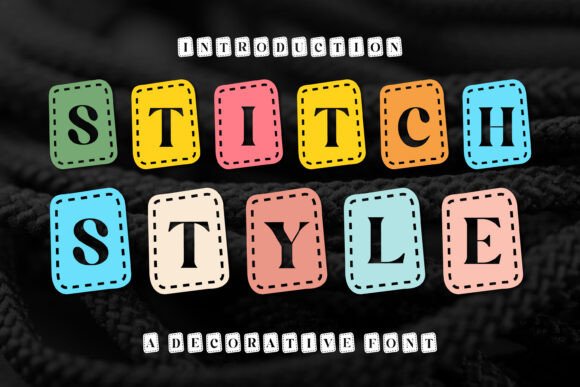
Stitch Style: Adding Whimsy and Color to Your Design Toolkit
There are moments in design when a project calls for something more than just clean lines and safe choices. You're working on a brand for a children's boutique, a line of artisanal jams, or a community festival poster, and the standard corporate sans serif feels utterly lifeless. What you need is a dose of personality, a visual element that communicates warmth, creativity, and a handcrafted touch. This is precisely where a vibrant, character-rich display font can transform your work, moving it from merely functional to genuinely memorable.
The Personality of a Stitch-Inspired Typeface
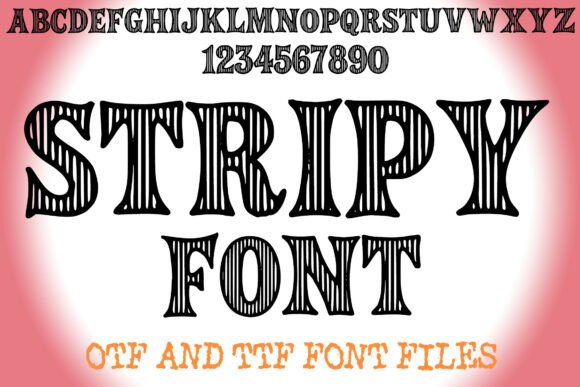
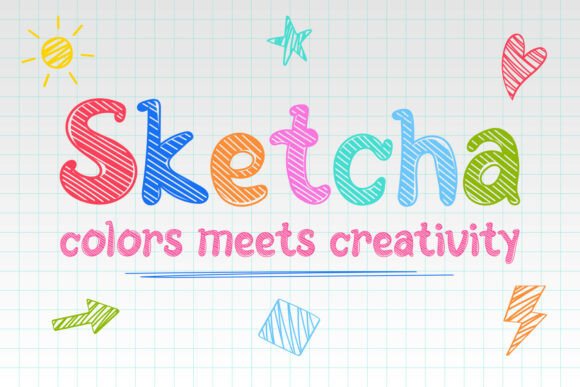
Imagine the careful, deliberate lines of embroidery or the playful texture of a stitched pattern. A font like Stitch Style captures that aesthetic in digital form. It's not just another script or handwritten font; it carries the tangible quality of thread on fabric. This unique visual characteristic gives it an immediate sense of charm and authenticity. The letters often feature subtle variations and a textured edge, which prevents it from looking overly sterile or generic. This makes it an exceptional creative font for projects where you want to evoke feelings of nostalgia, craftsmanship, joy, and whimsy.
Its strength lies in its ability to be both decorative and purposeful. Unlike overly ornate typefaces that sacrifice legibility for flair, a well-designed stitch-themed font maintains readability, especially at larger sizes used for headlines and logos. It serves as a premium font that functions as a design asset in itself, adding layers of visual interest that simpler typefaces cannot achieve on their own.
Practical Applications for Brands and Creators
The true value of any font is measured by its utility across real-world projects. A typeface with this kind of vibrant personality opens up a wide range of creative applications, particularly for entrepreneurs, designers, and content creators looking to establish a distinct visual voice.
For Branding and Logo Design: If your brand identity is built around creativity, approachability, or a handmade ethos, Stitch Style can become the cornerstone of your logo. It works beautifully for bakeries, craft stores, indie bookshops, toy brands, or any business where a personal touch is a key selling point. Pair it with a clean, neutral sans serif font for body text to create a balanced and professional presentation that doesn't overwhelm the viewer.
In Packaging and Merchandise: On a shelf crowded with minimalist designs, a package featuring a textured, colorful font can be a showstopper. Use it for product names on artisanal goods, labels for specialty foods, or branding on merchandise like tote bags and t-shirts. Its visual appeal translates exceptionally well to physical products, where texture and character can influence a customer's perception of quality and care.
Across Digital and Print Marketing: The font's engaging nature makes it ideal for social media graphics that need to stop a scroll. Think of Instagram posts for a workshop, Facebook ads for a new product launch, or Pinterest pins that need to capture attention instantly. In print, it elevates event posters, flyers for local markets, and direct mail pieces. For editorial design, it can add a splash of creativity to magazine feature headers or blog post titles, making content more inviting to read.
Making It Work: Pairing and Practicality
Introducing a strong display font like this into your toolkit requires a thoughtful approach to ensure it enhances rather than hinders your message. Here’s how to use it effectively:
- Choose the Right Context: This is a headline and accent font, not a body copy typeface. Its detailed texture is best appreciated in larger sizes. Use it for titles, short quotes, call-to-action buttons, or logos. For paragraphs of text, always opt for a highly readable serif or sans serif font.
- Master Font Pairing: The key to professional typography is contrast and balance. Pair the vibrant character of a stitch-inspired font with a simple, geometric sans serif or a traditional serif font. For example, using it for a main headline with a font like Open Sans or Lora for the body text creates a clear hierarchy that is both stylish and easy to navigate.
- Test for Readability: Always test your chosen font at the actual size it will be used. Check its clarity on different screens and in print mock-ups. Pay special attention to letter spacing and line height to ensure your text remains comfortable to read, even with a decorative typeface.
- Explore the Full Family: Many premium fonts come with multiple styles—regular, bold, italic, or even different color layers. Reviewing what’s included allows you to create more dynamic compositions. You might use a bolder weight for a primary logo and a lighter style for secondary brand elements.
- Understand Licensing: For any commercial project—from client work to selling products—ensure you have the correct commercial font license. This protects both you and your clients and is a standard part of professional design practice.
Elevating Your Creative Output
Ultimately, the tools you choose for your projects directly impact how your audience perceives your work. A thoughtfully selected typeface does more than just display words; it communicates tone, builds brand recognition, and enhances the overall visual consistency of your materials. By incorporating a font with such a distinct and joyful character, you’re not just making a design choice—you’re making a statement about the creativity and care you invest in your projects.
Whether you're a small business owner crafting your first brand identity, a designer seeking fresh assets for client work, or a content creator aiming to make your digital presence more engaging, exploring typography with personality is a powerful step. It’s about finding the right voice in visual form, one stitch at a time.