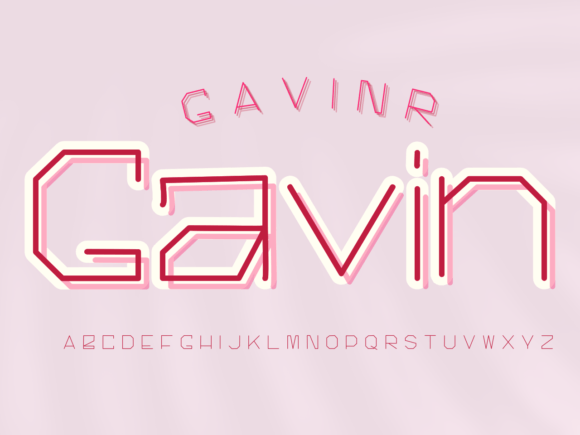
Why the Gavin Typeface Feels Like a Hidden Gem
There is a specific feeling you get when you scroll through hundreds of font libraries and finally stop dead in your tracks. You know the moment—your mouse hovers over a design asset that just feels right before you even type a single word. For many creatives, that moment happens when they stumble upon Gavin. It isn’t just another addition to your growing library of design assets; it is a statement piece. In a landscape crowded with safe, geometric sans serifs and overused generic scripts, Gavin offers a breath of fresh air. It bridges the gap between artistic flair and structured readability, making it a true favorite for anyone serious about visual communication.
The Visual Language of Gavin: More Than Just Letters
When we talk about a premium font, we aren't just talking about the price tag or the licensing agreement. We are talking about the engineering behind the curves and the kerning. Gavin is an incredibly unique display font, which means it is designed specifically to catch the eye. Unlike body text fonts that prioritize reading long paragraphs, display typefaces are the headliners of the design world. They are meant for headlines, logos, and anywhere you need to make an immediate impact.
What makes Gavin stand out is its versatility. While it carries the weight and presence required for a strong logo, it avoids the rigidity that plagues many modern typefaces. It manages to be bold without being aggressive. If you look closely at the letterforms, you’ll notice a rhythm that feels almost musical. This isn't accidental; it is the result of masterful design intent. The creator of this typeface understood that for a font to become a "true favorite," it needs personality. It needs to be able to adapt to different moods—whether that is a rustic, hand-crafted vibe for a coffee shop or a sleek, futuristic look for a tech startup.
Practical Applications: Where Typography Meets Strategy
As a designer or business owner, the most important question isn't "Does this font look cool?" but rather "Does this font solve my problem?" The utility of a creative font like Gavin lies in its application across various media. Let’s break down how this typeface can elevate different aspects of your projects.
Brand Identity and Logo Design
Your brand identity is your handshake with the world. It needs to be firm, confident, and memorable. Gavin excels in logo design because of its distinct silhouette. When a customer sees a logo set in Gavin, they don't just read a name; they see a personality. For small businesses trying to carve out a niche, using a generic font can make you blend in with the competition. Gavin allows you to stand out. Whether you are designing for a boutique fashion label or a high-energy fitness brand, the font adapts to the context, providing a solid foundation for your visual strategy.
Packaging and Print Materials
In the world of packaging design, shelf appeal is everything. You have roughly three seconds to grab a consumer's attention before they move on to the next product. A modern typography choice like Gavin can be the difference between a product that gets picked up and one that gets ignored. It works beautifully on labels, boxes, and bags. Furthermore, for print materials such as brochures, flyers, and business cards, Gavin provides a professional presentation. It ensures that your marketing collateral feels high-end and intentional, rather than thrown together in a rush.
Digital Dominance: Web and Social
We live in a digital-first world, and fonts behave differently on screens than they do on paper. A font that looks beautiful in print can sometimes become muddy or illegible on a smartphone screen. Gavin, however, maintains its integrity across digital platforms. It is an excellent choice for web design, particularly for hero sections and landing pages where you need to capture attention immediately. For social media graphics, where the scroll speed is relentless, Gavin’s unique character stops the thumbs. It brings a cohesive look to your Instagram grid or Pinterest boards, ensuring that your visual content is recognizable even without seeing your logo.
Beyond the Headline: Pairing and Readability
One of the biggest mistakes I see in editorial design and marketing assets is the misuse of display fonts. Because Gavin is so expressive, it demands a partner that knows when to take the back seat. This is where the art of font pairing comes into play.
If you try to pair Gavin with another loud, decorative font, the result will be visual chaos—a shouting match between two typefaces. Instead, you want to pair it with something grounded. A clean, geometric sans serif font or a classic serif font works wonders here. For example, use Gavin for your main headlines to draw the reader in, and then switch to a neutral sans serif for your body copy. This contrast creates a hierarchy that guides the reader's eye naturally down the page.
Readability is the cornerstone of good design. You can have the most beautiful font in the world, but if people can't read your message, the design has failed. Because Gavin is a display typeface, it is optimized for larger sizes. You wouldn't want to use it for a 10-point legal disclaimer on the back of a contract. However, at 24 points or larger, it shines. It commands attention while remaining legible, striking that perfect balance that so many design assets fail to achieve.
The Business of Typography: Licensing and Consistency
For the entrepreneur or the content creator, the practical side of fonts matters just as much as the aesthetic. We often overlook the importance of commercial licensing. When you download a free font from a random website, you are often taking a legal risk. You might not have the rights to use that font on merchandise or in paid advertisements.
When you invest in a commercial font like Gavin, you are buying peace of mind. You are securing the right to use the typeface in your digital products, on your merchandise, and in your invitations without fear of copyright infringement. This is crucial for anyone building a long-term business.
Furthermore, using a premium typeface helps with visual consistency. When your website, your email newsletter, your PDF guides, and your physical packaging all use the same high-quality typeface, you build brand recognition. Customers start to associate that specific style with your business. Over time, they might recognize your font before they even read the words. That is the power of consistent, strategic typography.
Final Thoughts on Choosing Your Next Font
Choosing a font is a bit like casting an actor for a movie. You need someone who fits the role, delivers the lines with emotion, and connects with the audience. Gavin is a versatile performer. It can be serious or playful, modern or timeless, depending on how you direct it. It has the potential to bring each of your creative ideas to the highest level, not by doing the work for you, but by giving you a robust, beautiful tool to work with.
If you are looking to refresh your brand, launch a new product, or simply add a heavy hitter to your design toolkit, Gavin is worth serious consideration. It represents the kind of thoughtful, high-quality design that separates the amateurs from the pros. Don't just settle for a font that "works." Choose a typeface that speaks. Choose something with character. In the crowded room of digital noise, let your designs speak clearly and confidently with a typeface that understands the assignment.